
Why Gold Prices Are Increasing in 2026
- Topsy
- Apr 27
- 3 min read

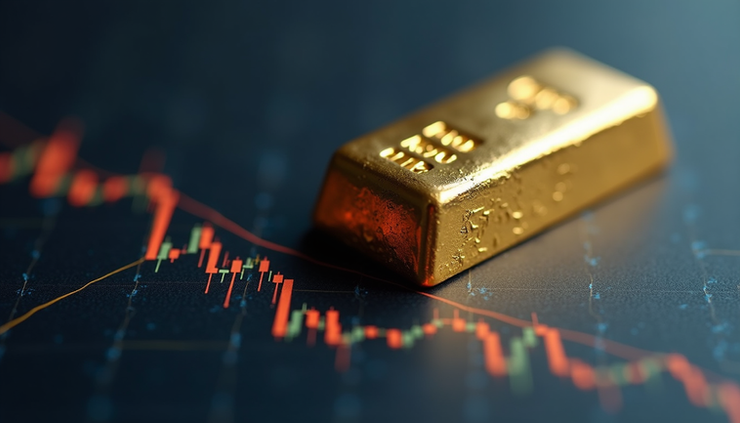
Gold prices are climbing steadily in 2026, capturing the attention of investors worldwide. This rise is not random but driven by a mix of economic, geopolitical, and market factors that are reshaping the global financial landscape. For anyone holding or considering gold investments, understanding these forces is crucial to making informed decisions.
Economic Factors Driving Gold Prices Higher
Several economic conditions in 2026 are pushing gold prices upward. One key factor is inflation. As inflation rates rise globally, the purchasing power of paper currencies declines. Investors often turn to gold as a store of value during inflationary periods because gold tends to retain its worth better than cash.
Interest rates also play a significant role. Central banks in many countries have kept interest rates relatively low to support economic recovery. Low interest rates reduce the opportunity cost of holding non-yielding assets like gold, making it more attractive.
Currency fluctuations, especially the weakening of the US dollar, contribute to gold's price increase. Since gold is priced in dollars, a weaker dollar makes gold cheaper for holders of other currencies, boosting demand.
Geopolitical Tensions and Their Impact
Geopolitical uncertainty often drives investors to seek safe-haven assets. In 2026, ongoing conflicts, trade disputes, and political instability in various regions have increased risk perceptions. This environment encourages investment in gold, which is seen as a reliable store of value during turbulent times.
For example, tensions in the Middle East and trade negotiations between major economies have created uncertainty in global markets. Investors respond by reallocating assets toward gold to protect their portfolios from volatility.
Market Demand and Supply Dynamics
The balance between gold supply and demand directly affects its price. In 2026, demand for gold in sectors like jewelry, technology, and central bank reserves remains strong. Central banks, in particular, have been increasing their gold holdings as part of diversification strategies.
On the supply side, mining output has faced challenges. Environmental regulations, labor shortages, and rising production costs have limited new gold supply. This constrained supply, combined with steady or growing demand, supports higher prices.
Investment Trends Influencing Gold Prices
Investment vehicles such as exchange-traded funds (ETFs) and gold futures contracts have made gold more accessible to a broader range of investors. In 2026, inflows into gold ETFs have surged, reflecting increased investor interest.
Retail investors are also participating more actively, driven by concerns about economic stability and the desire to hedge against market risks. This growing participation adds upward pressure on prices.
What Investors Should Consider in 2026
Investors looking to benefit from the gold price surge should consider several factors:
Diversification: Gold can balance portfolios by reducing overall risk, especially during market downturns.
Timing: While prices are rising, market corrections can occur. Monitoring economic indicators and geopolitical developments helps identify entry points.
Investment Type: Physical gold, ETFs, mining stocks, and futures each have different risk profiles and costs.
Storage and Security: Physical gold requires secure storage, which adds to the cost and complexity.
Examples of Gold Price Movements in 2026
In early 2026, gold prices rose by approximately 12% compared to the previous year. This increase coincided with a spike in inflation rates in major economies and escalating geopolitical tensions. Central banks in Asia and the Middle East increased gold purchases by nearly 15%, signaling confidence in gold as a reserve asset.
Meanwhile, mining companies reported a 5% decline in output due to stricter environmental policies, further tightening supply.
Risks and Challenges Ahead
Despite the positive outlook, gold investors should be aware of potential risks:
Interest Rate Hikes: If central banks raise rates aggressively, gold prices could face downward pressure.
Economic Recovery: Strong economic growth may reduce demand for safe-haven assets.
Market Speculation: Rapid price increases can lead to speculative bubbles, increasing volatility.


Comments